Amboseli National Park offers one of Africa's most iconic images — vast elephant herds silhouetted against the snow-capped peak of Mount Kilimanjaro. Discover why this compact park punches far above its weight.
At 392 square kilometres, Amboseli is not Kenya's largest park. But the image it delivers — enormous bull elephants striding across open plains with Kilimanjaro's ice-crowned summit rising 5,895 metres behind them — is arguably the continent's most photographed wildlife scene. And it never gets old.
The Elephants of Amboseli
Amboseli is home to one of Africa's best-studied elephant populations. The Amboseli Elephant Research Project, founded in 1972, has tracked individual elephants across multiple generations — meaning the rangers here know these animals by name, personality, and family history. This depth of knowledge translates directly into extraordinary guiding.
The park's swamps — fed by underground water filtering down from Kilimanjaro's glaciers — act as a magnet, drawing elephants in huge numbers to drink, bathe and feed. The classic Amboseli experience is finding a family group at the swamp edge, trunks curling to drink, young calves stumbling at their mothers' feet, all framed by the mountain.
Beyond Elephants
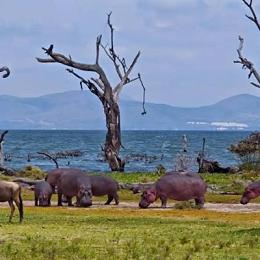
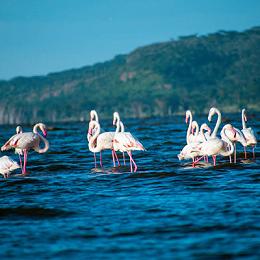
The diversity of landscapes within Amboseli's small footprint is remarkable. Acacia woodland gives way to open savannah, seasonal wetlands, and dusty lake beds. This variety supports an impressive array of species beyond the headline act — lion, cheetah, giraffe, buffalo, zebra, wildebeest, and over 400 bird species including spectacular raptors and the bright pink flash of flamingos on the lake.
The Kilimanjaro Factor
Kili is not always visible. The mountain creates its own weather — clouds typically build through the morning and the summit is often hidden by midday. The golden windows are dawn and dusk. Early morning game drives reward patience with clear mountain views and the warm amber light of sunrise across the plains. This is when the great photographs happen.
When to Go
Amboseli is a year-round destination. The dry seasons — January to March and June to October — offer the clearest Kilimanjaro views and the best concentration of wildlife around water sources. The green seasons bring dramatic storm light and lush scenery, and the park is far less crowded.
Getting There
Amboseli is approximately 240km from Nairobi — a 4-5 hour drive on the Mombasa Road via Emali, or a short 45-minute charter flight to Amboseli airstrip. We recommend flying in and driving out, or vice versa, to break the journey and see different country.
"Amboseli is proof that size is irrelevant in the wild. Some of the deepest wildlife encounters I have witnessed anywhere in Africa have happened in this small, extraordinary park."
— Senior Guide, Engolong Savannah Tours