Over 1.5 million wildebeest, 200,000 zebra and 500,000 gazelle thunder across the Serengeti-Mara ecosystem in an endless circle of life. Here's everything you need to plan the perfect migration safari.
There is nothing on Earth quite like the Great Wildebeest Migration. Every year, driven by ancient instinct and the promise of rain-fresh grass, more than 1.5 million wildebeest — alongside 200,000 zebra and 500,000 Thomson's gazelle — complete a 1,800-kilometre circuit between Tanzania's Serengeti and Kenya's Maasai Mara.
Understanding the Circuit
The migration is not a one-time event with a start and finish. It is a perpetual, clockwise wheel dictated entirely by rainfall and grass growth. Understanding this cycle is the key to placing yourself at the right spot at the right time.
January – March: Calving Season, Southern Serengeti
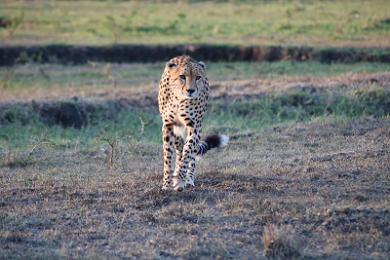
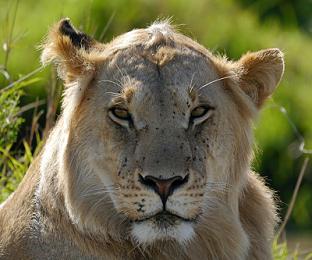
The herds mass in the short-grass plains of the southern Serengeti around Ndutu. This is calving season — roughly 500,000 wildebeest calves are born within a 3-week window in February, an evolutionary strategy that overwhelms predators by sheer numbers. The plains turn gold and the air is thick with the calls of newborns. Cheetah, lion and hyena are extraordinarily active.
April – May: Long Rains, Central Serengeti
The long rains begin and the herds drift northward through the central Serengeti — Seronera, Lobo, and the Western Corridor. The landscape is brilliantly green. Fewer tourists, dramatic skies, and the spectacle of hundreds of thousands of animals moving as one.
June – July: Western Corridor & Grumeti River Crossings
One of the migration's lesser-known drama unfolds here. The herds must cross the Grumeti River, home to some of the largest Nile crocodiles in Africa. The crossings are smaller than the Mara but no less heart-stopping. This is a wonderful time to be in the Serengeti with fewer crowds than the northern Mara.
August – October: Maasai Mara, River Crossings
This is what most people picture when they imagine the migration. The herds pour across the Tanzania-Kenya border into the Maasai Mara, and the Mara River becomes the stage for the most dramatic wildlife spectacle on the planet. Enormous crocodiles lie in wait. Wildebeest plunge in their thousands, driven by those behind them. Some make it. Some don't. This brutal, beautiful cycle repeats dozens of times through these months.
November – December: Return South
As short rains arrive in the Mara, the herds begin moving south again toward the Serengeti. This southward movement is often overlooked but offers excellent game viewing in the northern Mara conservancies with very few vehicles.
When Should You Go?
The honest answer is: it depends on what you want to see. July to October is the classic window for Mara river crossings — dramatic, action-packed, and iconic. January to February for calving season is arguably more moving — the tenderness of new life set against constant predator action. June for Grumeti crossings offers a genuinely different experience with far fewer tourists.
How to Book a Migration Safari
The migration requires advance planning. Premium camps in the Mara River area book out 12-18 months ahead for the peak August-October period. Working with an experienced operator like Engolong means you'll be positioned correctly based on real-time movement intel — not just a fixed camp booking made blind.
"The wildebeest don't read calendars. We track them constantly and position our guests based on where the action actually is — not where it was last year."
— Engolong Safari Team
Top Tips for Migration Safari
- Book early. For peak season (Aug–Oct), book 12+ months ahead.
- Stay multiple days. River crossings can happen any time. Two to three days at the river dramatically increases your chances of witnessing one.
- Consider a fly-in. Flying between camps saves hours of driving and keeps energy high for game drives.
- Combine both countries. Serengeti in June + Mara in August gives you two completely different acts of the same story.
- Pack layers. Mara mornings start cold. Midday is warm. Game drives begin before dawn.