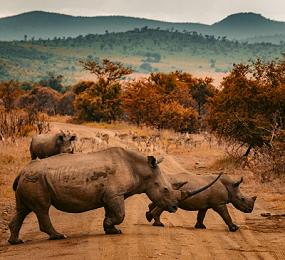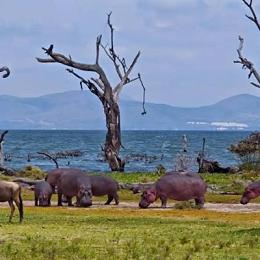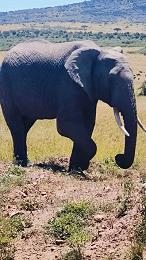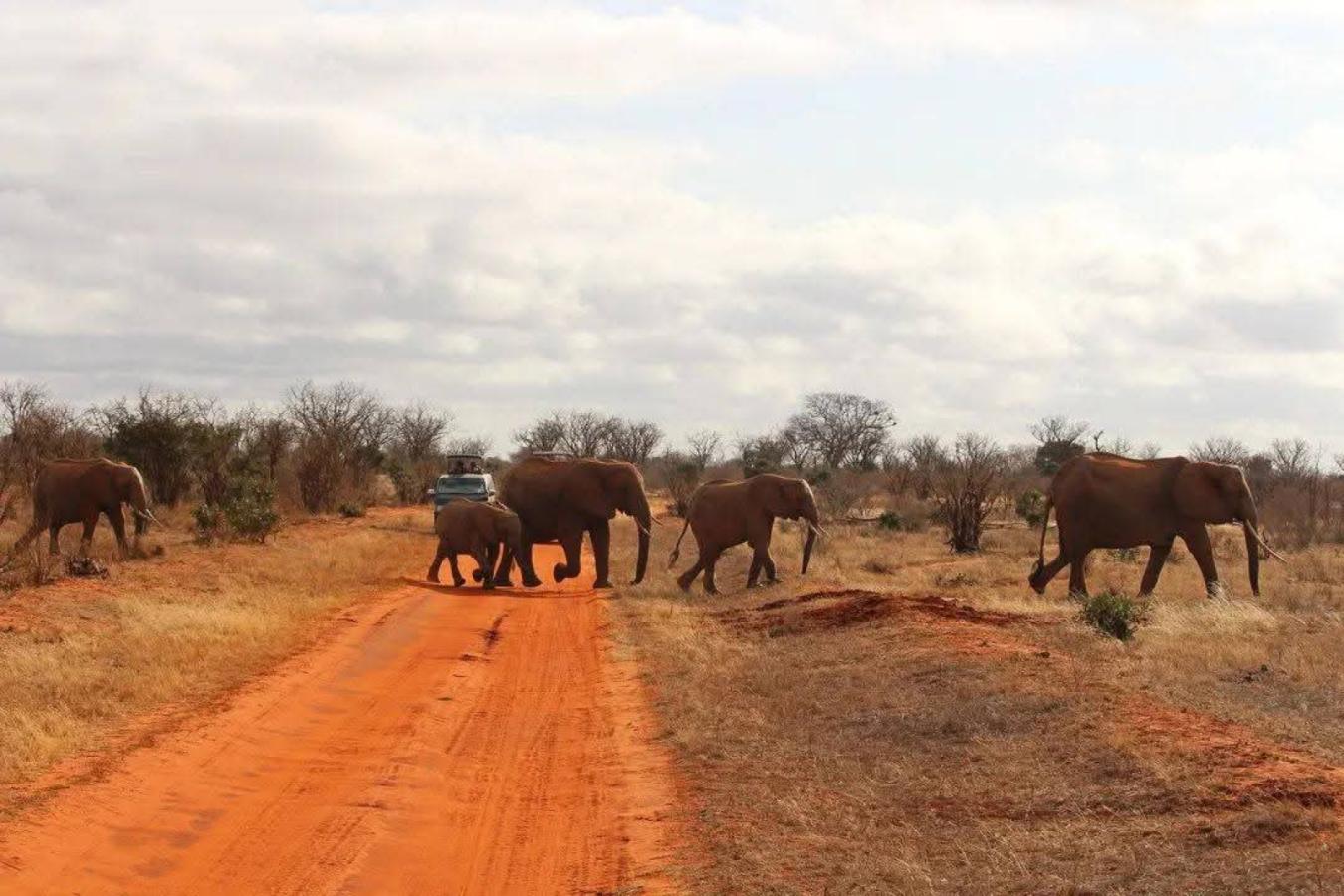
Kenya's most exciting conservation story isn't happening inside national parks — it's on the land surrounding them. Community conservancies have transformed millions of hectares of former degraded farmland into thriving wildlife corridors.
For most of the 20th century, Kenya's approach to conservation was exclusionary — fence off the wildlife, keep the people out, and call it a national park. It worked, to a degree. But it also created deep resentment among communities who lost ancestral land to parks they could not enter, could not benefit from, and increasingly viewed as a source of crop-raiding elephants and livestock-killing lions rather than a source of pride.
The Conservancy Model
The community conservancy model inverts this entirely. Land is kept wild and managed for wildlife — but it is owned by the community, leased to tourism operators at rates that flow directly back to households, schools and clinics. Wildlife becomes valuable. A lion that kills a cow is no longer simply a threat — it is also, indirectly, paying school fees.
The results across Kenya's Laikipia Plateau, the Mara ecosystem's private conservancies, and Samburu's community conservancies have been transformative. Wildlife numbers on community land have increased dramatically. Poaching has fallen sharply in areas where communities have a financial stake in living animals. And a new generation of Kenyan conservationists — rangers, guides, ecologists — has emerged from these communities.
What This Means for Safari Guests
Staying in a community conservancy camp directly funds this model. Beyond the feel-good factor, it delivers a materially better safari experience. Community conservancies allow off-road driving (strictly prohibited in national parks), night drives, walking safaris with armed rangers, and a degree of exclusivity — far fewer vehicles — impossible in a national park during peak season.
The Mara Conservancies
Surrounding the Maasai Mara National Reserve is a patchwork of private conservancies — Ol Kinyei, Naboisho, Olare Motorogi, Mara North — covering more than 100,000 hectares of prime Mara ecosystem. These are leased from thousands of Maasai landowners who receive a monthly income per acre regardless of tourism volumes. In return, no farming, no settlement, and strict anti-poaching. The wildlife here is as good as — often better than — the reserve itself, with a fraction of the vehicles.
How Engolong Contributes
We deliberately route itineraries through community conservancy camps rather than the cheapest option. We pay the conservancy fees. We use local Maasai and Samburu guides whenever possible. And we contribute a percentage of each safari booking to the community funds of the conservancies we operate in. Conservation tourism only works if the money actually reaches the ground. We make sure it does.
"When a Maasai family earns more income from a living lion than from the livestock it occasionally kills, the math changes. That is the entire theory of change. And it is working."
— Conservation Partner, Northern Rangelands Trust