When is the best time to go on safari in Kenya? An honest month-by-month guide to the seasons, the Great Migration, the weather, and the crowds so you travel at the right moment for your trip.
It is the first question almost everyone asks, and the honest answer is not the one most websites give. There is no single best month. There is only the best month for the safari you want and once you understand what each season actually offers, choosing becomes simple.
Kenya is a year-round safari destination. The wildlife is here every single day of the year; the elephants of Amboseli, the big cats of the Mara, the herds of the northern frontier do not leave. What changes through the year is the weather, the density of the grass, the movement of the great migration, and the number of other travellers sharing the view. This guide walks you through all of it, month by month, so you can travel at exactly the right moment for you.
The two things that actually change through the year
Before the calendar, understand the two rhythms that shape a Kenyan safari.
The rains. Kenya has two rainy seasons the "long rains" (roughly April to May) and the "short rains" (roughly November). These are not the washout many people fear; they are often afternoon downpours that clear quickly, leaving the landscape green and dramatic. But they shape everything else: the grass, the animals' movements, the roads, and the prices.
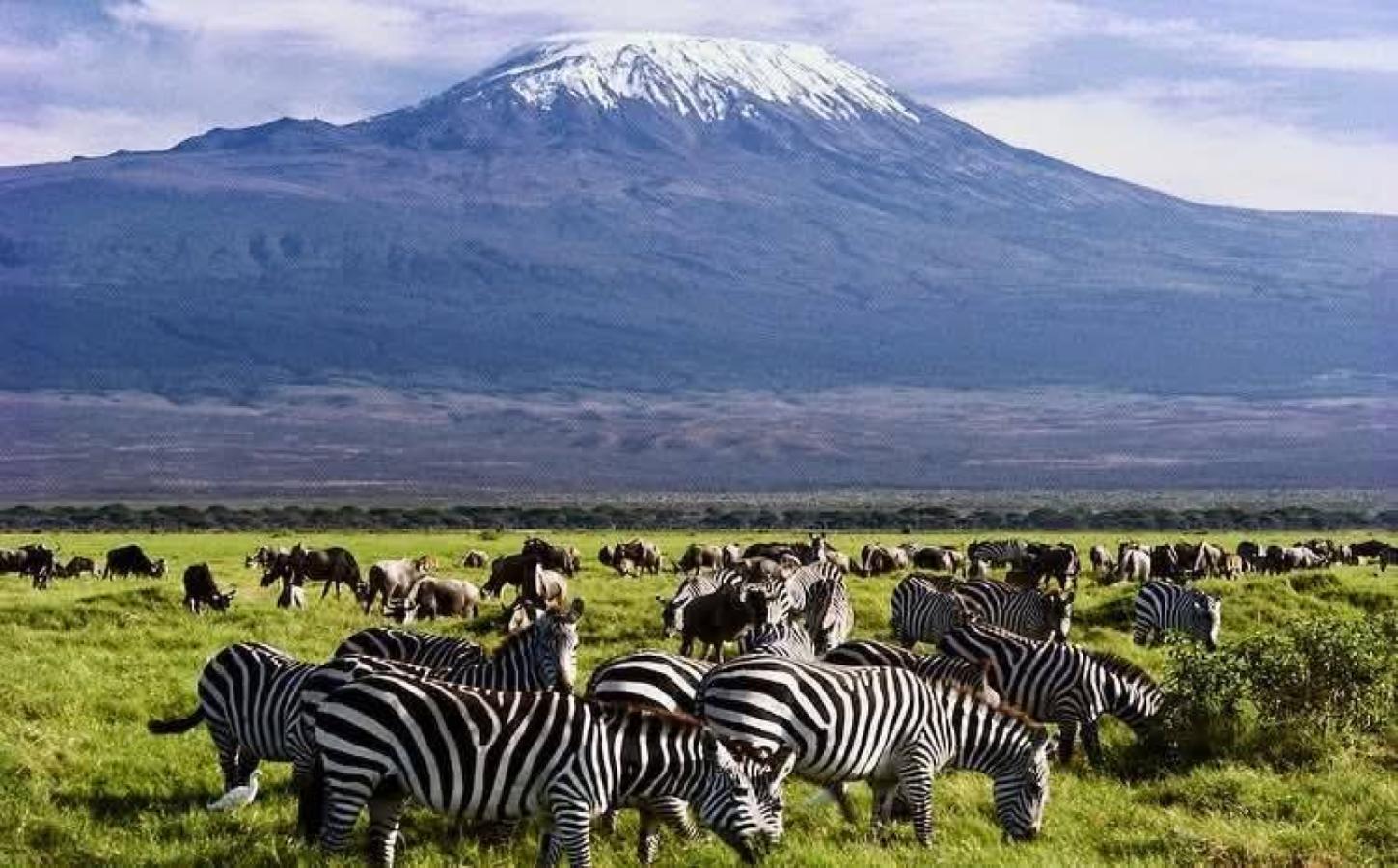
The Great Migration. The movement of well over a million wildebeest and zebra between Tanzania's Serengeti and Kenya's Maasai Mara is the headline event of the safari calendar. The herds spend most of the year in Tanzania and cross north into Kenya's Mara for a few months, usually around July to October. If witnessing the migration is your goal, this timing matters more than anything else and it is worth reading our separate guide on Kenya versus Tanzania to understand why the migration belongs to both countries.
Kenya safari seasons at a glance
The Dry Season (late June to October) — the classic choice. This is peak safari season, and for good reason. The vegetation thins, so animals are easier to spot; wildlife gathers around shrinking water sources, concentrating the game; the weather is warm and largely rainless; and crossings. The trade-off: these are the busiest and most expensive months, and the popular reserves can feel crowded. This is the season to book well ahead, and the season where choosing a private conservancy over the main reserve makes the greatest difference.
The Short Dry Season (January to February) — the quiet sweet spot. After the short rains clear, the landscape is green but the skies are largely dry, the light is beautiful, and the crowds of the peak season have gone. Wildlife viewing is excellent, and this is a wonderful window for photography and for travellers who want the classic experience without the July-to-October pricing and bustle. Many seasoned safari-goers consider this Kenya's best-kept secret.
The Green Season (March to May, and November) — the connoisseur's Kenya. These are the rainy months, and they are genuinely beautiful in a way few visitors ever see: the plains turn brilliant green, newborn animals appear, migratory birds arrive in spectacular numbers, and the landscape is at its most photogenic. Rates are at their lowest and the parks at their emptiest. The trade-offs are honest ones occasional heavy rain, some tougher roads, and a few camps that close for the wettest weeks. For the right traveller, this is the most rewarding and best-value time of all.
Month by month
January – February. Warm, dry, green after the short rains. Excellent all-round game viewing, superb light, fewer crowds. In Tanzania's southern Serengeti, this is calving season. One of our favourite windows.
March – May. The long rains. Lush, dramatic, quiet, and inexpensive. Wonderful for birds, photography, and travellers who value solitude over guaranteed sunshine. Some camps close in the wettest stretch of April–May.
June. The rains ease and the land begins to dry. A transitional, good-value month just before peak season begins often an excellent time to travel.
July – August. Peak season. The Great Migration is typically in the Mara, and the first river crossings usually begin. Spectacular, and the busiest and priciest months. Book far ahead.
September – October. Peak season continues, and many consider this the finest window for the migration and its crossings, with slightly thinner crowds than August. Superb game viewing across the country.
November. The short rains arrive. The landscape freshens, crowds thin, and value returns. A lovely, underrated month between the peak and the festive season.
December. The short rains usually clear, and the warm, green festive season is popular for family travel. Book ahead for the Christmas and New Year period specifically.
So when should you go?
Here is our honest, simple guidance:
- For the migration and river crossings: aim for July to October, and book early.
- For the classic experience with fewer crowds: choose January to February.
- For the best value, the greenest landscapes, and near-empty parks: consider March to May or November the green season.
- For families travelling in school holidays: December and the northern-summer months work well, with planning ahead.
There is no wrong time to see Kenya. There is only the season that matches what you have come for.
How we time your safari — by the land itself
Here is where we do something almost no other operator does.
The dates above are averages and averages are exactly where safari timing goes wrong. The migration does not follow a calendar; it follows the rain and the greening of the grass, and in a shifting climate that timing moves from year to year. A brochure that promises "the crossings happen in August" is describing a long-term pattern, not the actual state of the plains in the year you travel.
Our founder is a geospatial scientist, and we plan our journeys accordingly. We track the greening of the Mara–Serengeti ecosystem using satellite vegetation data, so we can position you where the herds are genuinely heading in your specific season — not where last year's guidebook guessed they would be. When you ask us "when should I come?", we answer not with folklore, but with the current state of the land, read from space.
That is the difference between hoping you have picked the right week, and knowing you have.
The bottom line
Kenya rewards visitors in every season the peak months for the migration and easy game viewing, the quiet start of the year for the classic experience without the crowds, and the green months for beauty, value, and solitude. The best time is simply the one that fits your dream, your budget, and your calendar.
Tell us what you hope to see, and we will tell you honestly when to come and time your journey to the land itself.
Plan your Kenya safari, timed to the season
Plan your Kenya safari, timed to the season
Engolong Savannah Tours designs private, satellite-informed safaris across Kenya and Tanzania. "Engolong" means the sun in Maa, the language of the Maasai. Every journey begins with the sun.